
Reliable Restaurant Insurance
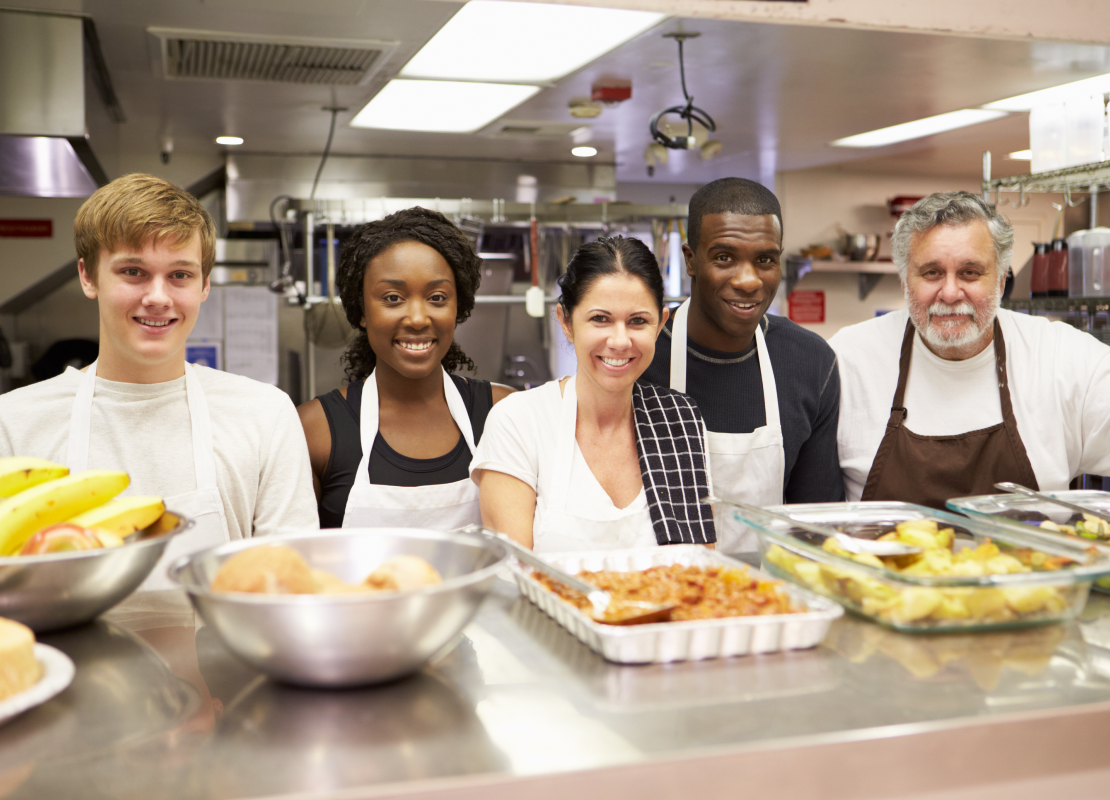
Protecting Your Kitchen, Your Staff, and the Pace of Your Business
Restaurants move fast. Every day brings new guests, fresh ingredients, hot equipment, staff changes, and a constant flow of activity. With so many moving parts, the right insurance is essential to protect your space, your people, and your ability to operate without interruption.
At Ward & Co. Insurance, we help Chicago restaurants, cafés, bars, bakeries, food trucks, and catering businesses build insurance plans that reflect real-world risk. We keep the process clear, guide you through your options, and design coverage that supports your long-term goals.
Auto & Home & Business. Ward & You.
Why Restaurants Need Specialized Protection
The restaurant environment combines property exposure, food safety, equipment risk, liquor liability, and strong customer interaction. Kitchens rely on heat, gas, water, refrigeration, and a complex mix of tools and technology. Staff manage everything from preparation to service. Even a minor equipment breakdown or liability claim can disrupt operations.
Restaurant insurance protects the business you’ve built by covering:
Business interruption after a covered event
Delivery operations or catering services
Technology risks, including POS and payment systems
Your building and the equipment inside
Staff, guests, and vendors
Liquor liability concerns
Food spoilage, contamination, and safety exposure
How We Help Restaurants: The Process

We Learn Your Kitchen, Menu, and Service Model
Cooking methods, equipment, staffing, hours, and delivery services all shape your risk profile.

We Review Property, Liability, and Food Safety Needs
We examine your equipment, ventilation, storage systems, and customer flow to identify gaps and opportunities for better protection.

We Design Coverage That Matches Real Restaurant Risks
From liquor liability to equipment breakdown, spoilage, and business interruption, your plan reflects daily operational realities.

We Stay Responsive as Your Restaurant Grows
New equipment, menu changes, expanded hours, or additional locations are handled quickly by your advisor.
Core Coverages for Restaurants and Food Service Businesses
While each restaurant requires a custom plan, most operations rely on several key coverages.
Commercial Property Insurance
Protects the building and contents including kitchen appliances, refrigeration units, ventilation systems, furniture, point-of-sale systems, and décor. It also covers improvements you’ve made to leased spaces.
General Liability Insurance
Covers injury or property damage involving guests, vendors, or delivery partners. Slip and fall accidents, burns, and food-related incidents are among the most common claims.
Liquor Liability Insurance
Required for restaurants and bars that serve alcohol. Covers claims related to serving intoxicated individuals or alcohol-related incidents.
Equipment Breakdown Coverage
Covers essential items like ovens, fryers, refrigerators, freezers, HVAC, and electrical systems that fail unexpectedly.
Cyber Liability
Restaurants are common targets for payment system breaches. Cyber coverage protects against data theft, fraud, and system attacks.
Workers Compensation
Required for most restaurants with employees. Covers medical expenses and lost wages for staff injured on the job. Kitchens have higher exposure due to heat, sharp tools, and fast-paced movement.
Food Spoilage and Contamination Coverage
Protects you from losses caused by equipment failure, power outages, or contamination issues that make food unsafe to serve.
Business Interruption Insurance
Replaces lost income if your restaurant must temporarily close after a covered event such as fire, water damage, or major equipment breakdown.
Commercial Auto or Hired and Non-Owned Auto
Applies to restaurants offering delivery, catering, or transport of supplies.
We work with a wide range of food service operations across Chicago and the surrounding suburbs, including:
- Full-service restaurants
- Food trucks and mobile vendors
- Bars, lounges, and taverns
- Coffee shops and cafés
- Bakeries and dessert shops
- Caterers and event-based food services
- Breweries and taprooms
- Specialty food businesses and markets
- Fast casual and quick-service restaurants
Coverage is shaped around your menu, service model, staffing, equipment, and location.
Understanding the Price of Restaurant Insurance
Restaurant insurance pricing varies widely because restaurants operate with different layouts, menus, staffing models, and risk exposures. The following numbers are estimates:
Many small or mid-size restaurants pay several thousand dollars per year for bundled coverage that includes property, liability, and workers' compensation.
Restaurants with liquor service typically pay more due to the added liability.
Larger operations with deep fryers, extensive seating, entertainment, or late-night hours often require broader coverage.
Delivery operations or catering can increase premiums depending on driving exposure.
Your price depends heavily on the type of food you serve, the size of your staff, your hours of operation, and your building characteristics.

What Influences Your Premium
1- Cooking Methods and Kitchen Setup
Deep fryers, open flame cooking, and commercial ventilation systems influence fire risk and pricing.
2- Property Size and Equipment Value
Large dining areas, multiple kitchens, and high-value appliances increase replacement costs.
3- Liquor Sales
Restaurants that serve alcohol must include liquor liability, which raises overall premium.
4- Staffing Levels and Turnover
Workers' compensation premiums are tied to payroll and the physical demands of the job.
5- Safety and Loss History
Slip-resistant flooring, equipment maintenance, training programs, and incident history all impact pricing.
6- Hours of Operation and Security
Late-night hours or entertainment may increase exposure due to higher customer activity and traffic.
7- Delivery Services
More delivery activity can lead to higher commercial auto or hired and non-owned auto premiums.
Ways to Reduce Restaurant Insurance Costs
1- Strengthen Safety Training
Regular training on knife safety, fryer operation, chemical handling, and slip prevention helps reduce workplace injuries.
2- Maintain Kitchen Equipment
Routine cleaning and maintenance of hoods, ducts, refrigeration systems, and electrical equipment limit fire and equipment breakdown claims.
3- Update Security Measures
Add or improve alarm systems, fire suppression systems, and POS security.
4- Review Staff Classifications and Payroll
Accurate payroll reporting helps keep workers' compensation costs on the lower side.
5- Bundle Coverages Where Possible
Bundling property, liability, cyber, and equipment coverage may provide pricing advantages.
6- Monitor Food Safety Practices
Strong food handling procedures support a cleaner claims record by reducing the risk of food-related incidents.
7- Review Coverage Annually
New seating, equipment upgrades, or menu changes may require adjustments.
Frequently Asked Questions
Any operation that serves alcohol, even occasionally, should carry liquor liability. Many landlords and municipalities require it.
Not always. Spoilage coverage for power outages or equipment failure is typically added by endorsement.
If your staff uses personal vehicles for deliveries, you likely need hired and non-owned auto. Food trucks need full commercial auto.
No. Your equipment, improvements, inventory, and liability exposures require separate coverage.
Business interruption coverage can help replace lost income and pay operating expenses during repairs after a covered event.
Get a Quote
Connect with a Ward & Co. Insurance advisor today to build a restaurant insurance plan designed to protect your kitchen, your staff, and your business.